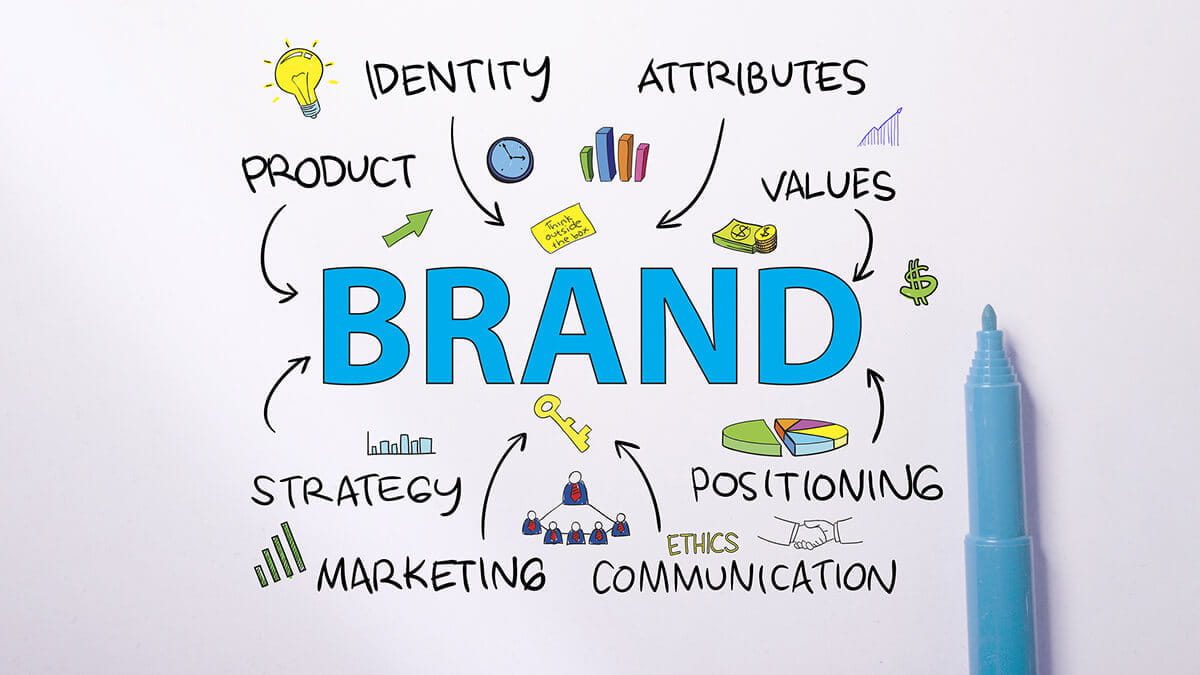
What Is Brand Design? Brand Identity and Branding Guide
Brand design is the process of creating visual and strategic elements that represent a business, product, or organization. It shapes how people recognize, remember, and perceive a brand across all touchpoints.
A strong brand design combines visual identity, messaging, positioning, and user experience to create a consistent and recognizable presence. Companies such as Apple, Nike, Coca-Cola, and Airbnb use brand design to build trust, differentiation, and long-term customer loyalty.
Brand design goes beyond logos and colors. It includes every element that influences brand perception, from typography and packaging to digital experiences and marketing materials.
Understanding Brand Design
Brand design is the process of creating the visual and strategic elements that shape how people recognize and experience your brand.
When someone interacts with your business, they form impressions based on what they see, read, and experience. Brand design helps you create a consistent identity that builds trust, improves recognition, and differentiates you from competitors.
Before creating logos, colors, or marketing materials, it’s important to understand what brand design includes and how it connects to branding and brand identity.
Why Brand Design Matters
Brand design influences how people perceive and remember your business.
A strong brand design helps you build credibility, improve recognition, and create a more professional experience that encourages trust and customer loyalty.
Brand Design vs Branding
Brand design focuses on the visual expression of your brand.
Branding is the broader process of shaping how people think, feel, and interact with your business through strategy, communication, design, and customer experience.
Brand Design vs Brand Identity
Brand design creates the assets that represent your brand visually.
Brand identity includes those assets along with your messaging, voice, values, and positioning that collectively define how your brand presents itself to the world.
——————————————-
Need Help Building a Strong Brand?
Your brand is often the first impression customers have of your business. A strategic brand identity can improve recognition, trust, and customer loyalty across every touchpoint.
👉 Explore Our Brand Design Services: [Insert Brand Design Services Link]
——————————————-
Understanding Brand Identity
Brand identity is the complete system of elements that defines how your brand looks, sounds, and communicates with its audience.
A clear brand identity helps people recognize your business instantly and creates consistency across every interaction. It ensures your brand remains memorable regardless of where customers encounter it.
To create a strong identity, you need to understand the elements that shape perception and communicate your brand’s unique character.
Core Elements of Brand Identity
Several components work together to create a recognizable brand identity.
These elements often include logos, colors, typography, imagery, messaging, brand voice, and design guidelines that ensure consistency across channels.
Brand Personality
Brand personality represents the human traits associated with your brand.
Whether your brand feels professional, friendly, innovative, luxurious, or approachable, personality helps customers build stronger emotional connections.
Brand Values
Brand values are the principles that guide your decisions and actions.
Clearly defined values help you communicate authenticity, strengthen trust, and attract customers who share similar beliefs and expectations.
Building a Brand Strategy
Brand strategy defines how your brand positions itself, communicates value, and creates long-term connections with customers.
Without a strategy, visual design decisions often lack direction. A strong strategy helps you attract the right audience, differentiate from competitors, and create a consistent brand experience.
The following strategic foundations help shape how your brand communicates, competes, and grows over time.
Define Your Target Audience
Your target audience is the specific group of people your brand aims to serve.
Understanding their needs, challenges, goals, and preferences helps you create branding that feels relevant and meaningful.
Create a Brand Positioning Statement
A brand positioning statement defines the unique place your brand occupies in the market.
It clarifies who you serve, what you offer, and why customers should choose you instead of competitors.
Establish a Unique Value Proposition
A unique value proposition explains the primary benefit customers receive from your brand.
It highlights what makes your business different and communicates the value you deliver more effectively than alternatives.
Define Brand Messaging
Brand messaging establishes the key messages your brand communicates consistently.
Clear messaging strengthens recognition, reinforces positioning, and helps your audience understand what your brand stands for.
______________
Turn Your Brand Strategy Into a Distinct Identity
Once you define your audience, positioning, and messaging, the next step is transforming strategy into a recognizable visual identity.
👉 View Our Branding & Identity Design Services: [Insert Service Link]
We help businesses create logos, brand systems, visual identities, and brand guidelines that align with their goals.
______________
Brand Identity Design
Brand identity design creates the visual elements that help your audience recognize and remember your brand.
When you build a strong brand identity, you create consistency across every customer touchpoint. These visual assets work together to communicate your personality, values, and positioning.
As you develop a brand identity, several key elements shape how your brand appears and how people experience it.
Logo Design
A logo is the primary visual symbol representing a brand. Effective logos are memorable, scalable, versatile, and aligned with the brand’s positioning.
Color Palette
A color palette defines the colors your brand uses consistently. The right colors influence perception, support recognition, and help communicate specific emotions and attributes.
Typography
Typography determines how your written content appears. Consistent typography improves readability, strengthens brand personality, and creates a cohesive visual experience.
Imagery and Photography
Imagery and photography establish visual style and reinforce brand personality. Consistent visual direction helps create stronger brand associations.
Iconography
Iconography uses symbols and graphical elements to support communication. Consistent icons improve usability, recognition, and visual cohesion.
Brand Voice and Communication
Brand voice and communication define how your brand speaks to customers and expresses its personality.
While visual identity helps people recognize your brand, communication helps them understand and connect with it. A consistent voice creates familiarity and makes every interaction feel more cohesive.
To communicate effectively, you need clear standards for tone, messaging, content, and storytelling.
Brand Voice
Brand voice is the consistent personality your brand expresses through communication.
Whether your brand sounds professional, friendly, confident, or educational, a consistent voice helps customers recognize and trust your messaging.
Tone of Voice
Tone of voice is how your brand adapts communication to different situations.
Your tone may change between marketing campaigns, support conversations, and social media posts while still maintaining a consistent brand personality.
Content Guidelines
Content guidelines define the standards for writing and communication.
They help you maintain consistency across channels by establishing rules for language, terminology, messaging, and content structure.
Storytelling
Storytelling uses narratives to communicate your brand’s purpose and values.
Well-crafted stories make your brand more memorable and help customers build stronger emotional connections with your business.
Brand Design Process
The brand design process transforms business goals and customer insights into a complete brand identity.
Following a structured process helps you create branding that is strategic, consistent, and aligned with your audience. Each stage builds upon the previous one to ensure every decision supports the overall brand direction.
The following steps form the foundation of a successful brand design project.
Research and Discovery
Research and discovery help you understand your audience, competitors, industry, and business objectives.
This stage provides the insights needed to make informed branding decisions and avoid assumptions.
Strategy Development
Strategy development establishes your positioning, audience focus, messaging, and competitive advantage.
A strong strategy provides direction for all visual and communication decisions moving forward.
Concept Creation
Concept creation explores potential visual and creative directions for your brand.
Multiple concepts help you evaluate different approaches before selecting the strongest solution.
Design Execution
Design execution transforms approved concepts into brand assets.
This stage includes creating logos, color systems, typography, imagery, and supporting visual elements.
Testing and Refinement
Testing and refinement evaluate how effectively the brand performs in real-world situations.
Feedback and iteration help improve clarity, consistency, and overall brand effectiveness.
Brand Guidelines
Brand guidelines document the standards that keep your branding consistent across every touchpoint.
As your business grows, multiple people may create content, marketing materials, and customer experiences. Brand guidelines ensure everyone follows the same visual and communication standards.
The following components typically form the foundation of a brand guideline document.
Logo Usage Guidelines
Logo usage guidelines define how your logo should appear in different situations.
These standards include sizing, spacing, placement, and restrictions that preserve visual consistency.
Color Guidelines
Color guidelines establish the approved colors used throughout your branding.
Documenting color values ensures consistency across digital platforms, print materials, and marketing assets.
Typography Guidelines
Typography guidelines define approved fonts, hierarchy systems, and usage rules.
These standards help maintain readability and visual consistency throughout your communications.
Visual Style Guidelines
Visual style guidelines establish standards for imagery, illustrations, icons, and supporting graphics.
They help ensure every visual asset aligns with the overall brand identity.
Digital Brand Design
Digital brand design applies your brand identity across online platforms and digital experiences.
Your website, mobile app, social media channels, and digital communications often represent the most frequent interactions customers have with your brand. Consistency across these touchpoints strengthens recognition and trust.
The following areas play a key role in digital branding.
Website Branding
Website branding applies your visual identity and messaging to your online presence.
A consistent website experience helps visitors understand your brand and builds credibility with potential customers.
Social Media Branding
Social media branding creates a recognizable presence across social platforms.
Consistent visuals, messaging, and content styles help strengthen audience recognition and engagement.
Mobile App Branding
Mobile app branding integrates your identity into the user experience.
Consistent branding within your app reinforces familiarity and creates a more cohesive customer journey.
Email Branding
Email branding applies your brand identity to customer communications.
Branded emails improve recognition, support professionalism, and strengthen trust over time.
Print and Physical Brand Design
Print and physical brand design extends your branding beyond digital channels.
Physical materials often create lasting impressions because customers can directly interact with them. Consistent branding across physical touchpoints strengthens recognition and reinforces brand credibility.
The following assets commonly support physical brand experiences.
Packaging Design
Packaging design applies your branding to product packaging and presentation.
Effective packaging improves recognition, communicates value, and influences purchasing decisions.
Business Cards
Business cards provide a physical representation of your brand.
Consistent design helps reinforce professionalism and supports networking opportunities.
Marketing Materials
Marketing materials communicate your brand through printed assets.
Brochures, flyers, presentations, and promotional materials should follow the same visual standards as your other branding.
Signage Design
Signage design applies branding to physical environments and locations.
Well-designed signage improves visibility, strengthens recognition, and supports customer experiences.
Common Brand Design Mistakes
Common brand design mistakes can weaken recognition, create confusion, and reduce brand effectiveness.
Even strong businesses can struggle when branding lacks consistency or strategic direction. Understanding common mistakes helps you avoid issues that negatively impact perception and trust.
The following mistakes frequently reduce branding performance.
Inconsistent Branding
Inconsistent branding creates different experiences across touchpoints.
Using varying styles, colors, messaging, or visuals can confuse customers and weaken recognition.
Copying Competitors
Copying competitors reduces differentiation and makes it harder for customers to remember your brand.
Unique branding helps establish a stronger market position and distinct identity.
Ignoring Target Audiences
Ignoring audience needs often results in branding that fails to connect with customers.
Successful branding reflects the preferences, expectations, and motivations of the people you serve.
Overcomplicating Visual Identity
Overly complex branding can reduce clarity and memorability.
Simple and focused design systems are often easier for customers to recognize and remember.
Lack of Brand Guidelines
Without clear guidelines, branding becomes difficult to manage consistently.
Documented standards help maintain quality as teams, channels, and content expand.
Measuring Brand Success
Measuring brand success helps you understand how effectively your branding influences awareness, perception, and loyalty.
Branding is an ongoing investment rather than a one-time project. Tracking performance allows you to identify strengths, uncover opportunities, and improve brand effectiveness over time.
Brand awareness measures how familiar people are with your brand.Higher awareness increases the likelihood that customers will recognize and consider your business.
Brand recognition measures how easily people identify your brand through visual or verbal elements. Strong recognition reflects consistent and memorable branding.
Brand loyalty measures the willingness of customers to repeatedly choose your brand.Loyal customers often contribute to long-term growth through repeat purchases and referrals.
Frequently Asked Questions
What is the difference between branding and brand design?
Brand design focuses on visual assets, while branding encompasses the overall perception, experience, and strategy of a brand.
Why is brand identity important?
Brand identity creates recognition, trust, differentiation, and consistency across customer interactions and communication channels.
What are the main elements of brand identity?
The main elements include logos, colors, typography, imagery, messaging, brand voice, and design systems.
How long does brand design take?
Brand design timelines vary based on scope, res %MCEPASTEBIN%earch, revisions, and business requirements, often ranging from several weeks to several months.
What are brand guidelines?
Brand guidelines are documented standards that define how brand assets and messaging should be used consistently.
How Much Does Branding and Website Design Cost?
Branding and website design costs vary based on project scope, business size, designer experience, and required deliverables.
What Is Branding in Graphic Design?
Branding in graphic design is the process of creating a visual identity that helps people recognize, remember, and trust a business. Graphic design translates a brand’s values, personality, and positioning into visual elements.
Conclusion
Key Takeaways
Brand design creates the visual and strategic foundation that shapes how customers recognize and experience a brand. Strong brand design combines identity, positioning, messaging, and consistency to support business growth.